
The problem
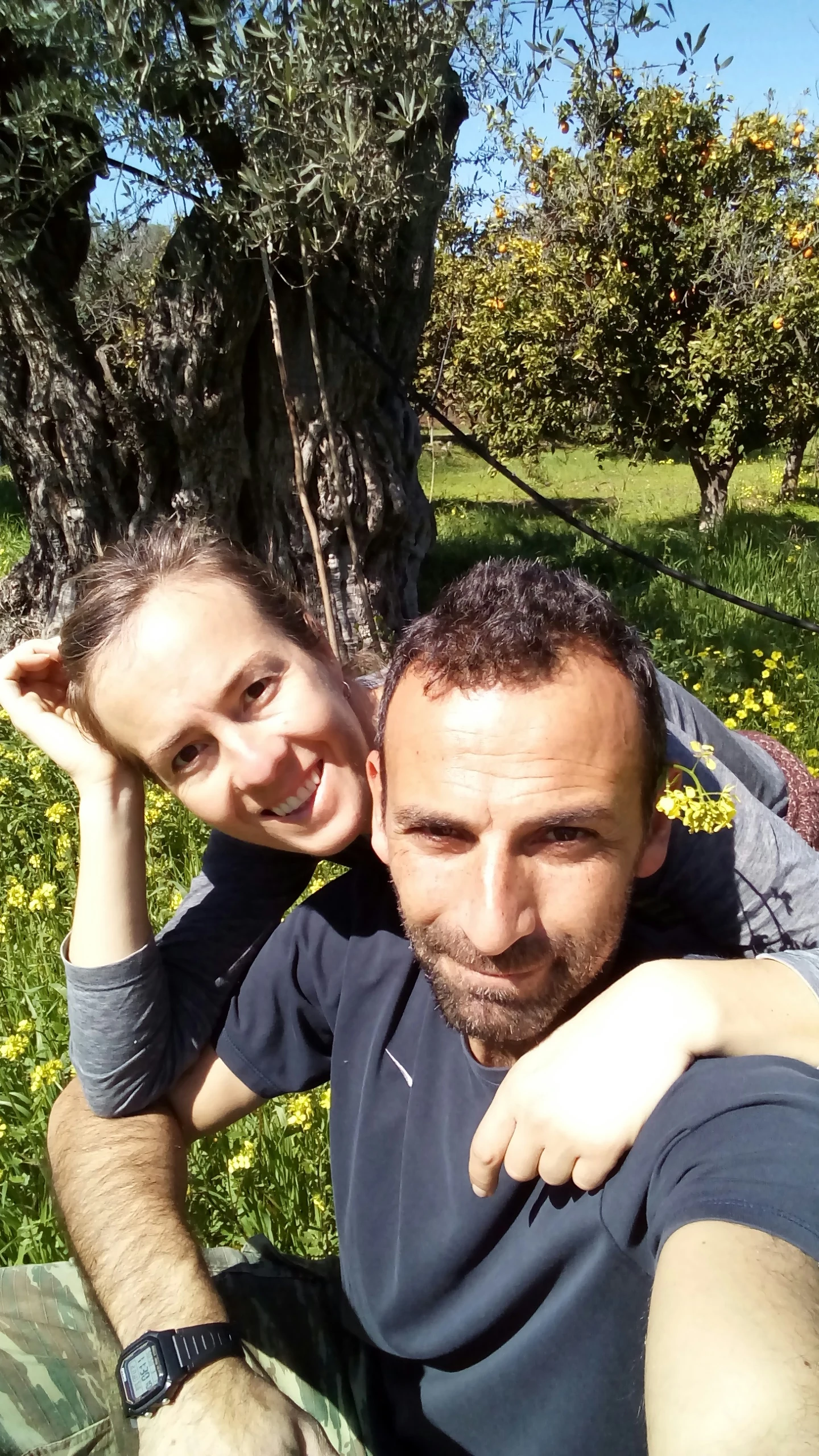
Aperanti is two businesses sharing one property in rural Cyprus. The agrotourism side brings in international tourists for stays rooted in the land, halloumi making, foraging, three-generation family cooking. The coliving side serves remote workers looking for somewhere beautiful and unhurried to spend a few weeks. Sara runs both, and she runs them largely alone: cleaning, cooking, marketing, product-making, and everything in between.
The website hadn't been meaningfully updated since 2013. It was built on Weebly, structurally rigid, and the homepage led with a wall of dense text before a visitor had any sense of who Aperanti was or what they should do next. There was no tracking, no email capture, and no way to reach people who had shown interest between seasons, so every year started from zero. When the Middle East conflict drove a wave of cancellations through international booking channels, the exposure was total.
The two audiences, agrotourism guests and coliving members, were being marketed at in the same breath, with the same message, which meant the message didn't quite land for either. And OTAs were taking 15% of bookings that Aperanti had earned through its own reviews and reputation.
When you run a coliving you literally do everything, so having Alex guide me through a simple process was really great.
Sara Zanardelli, Founder of Aperanti AgrotourismThe solution
The first thing was separating the two audiences properly, not just conceptually but structurally. Buyer persona and customer journey mapping for each side: who they are, when they look, what they need to see before they commit, and how Aperanti should talk to each of them. With that clarity, we gave each side defined dates and its own message, which immediately reduced the feast-and-famine pattern of seasons where everything and nothing was available at once.
The website was rebuilt on Squarespace with GA4 connected from day one. The new structure led with Aperanti's strongest assets, Sara's story, Maroulla's kitchen, the grandmother's house, rather than burying them in sub-pages. SEO foundations went in alongside the build: meta structure, clean URLs, schema, and a content plan built around what the right guests actually search for. Analytics and tracking gave Sara data to make decisions with instead of guesses.
An email capture strategy gave Aperanti something it had never had before: a warm list of people who had already raised their hand. When the next coliving season opened, there was an audience to reach rather than another cold start.
The result
OTA reliance dropped 20%. The two sides of the business have defined dates, defined audiences, and messaging that actually speaks to the people who book each one. Direct booking became the default path rather than the exception, and Aperanti now has the infrastructure to build on that, a site it can update, analytics it can read, and a growing email list it actually owns.